Imagine a familiar scene. It is the start of the month. You're motivated, determined, and ready for a fresh run at your money goals. You set a plan, promise yourself you'll be careful, and feel that brief, beautiful sense of control.
Then life interrupts the script. A busy week hits. A surprise cost pops up. A long day ends with a quick purchase you didn't plan. Nothing dramatic. Nothing reckless. Just real life being real life.
And that is exactly where most budgets quietly break. Not because the numbers are impossible, but because the system expects you to be perfect in a world that is not.
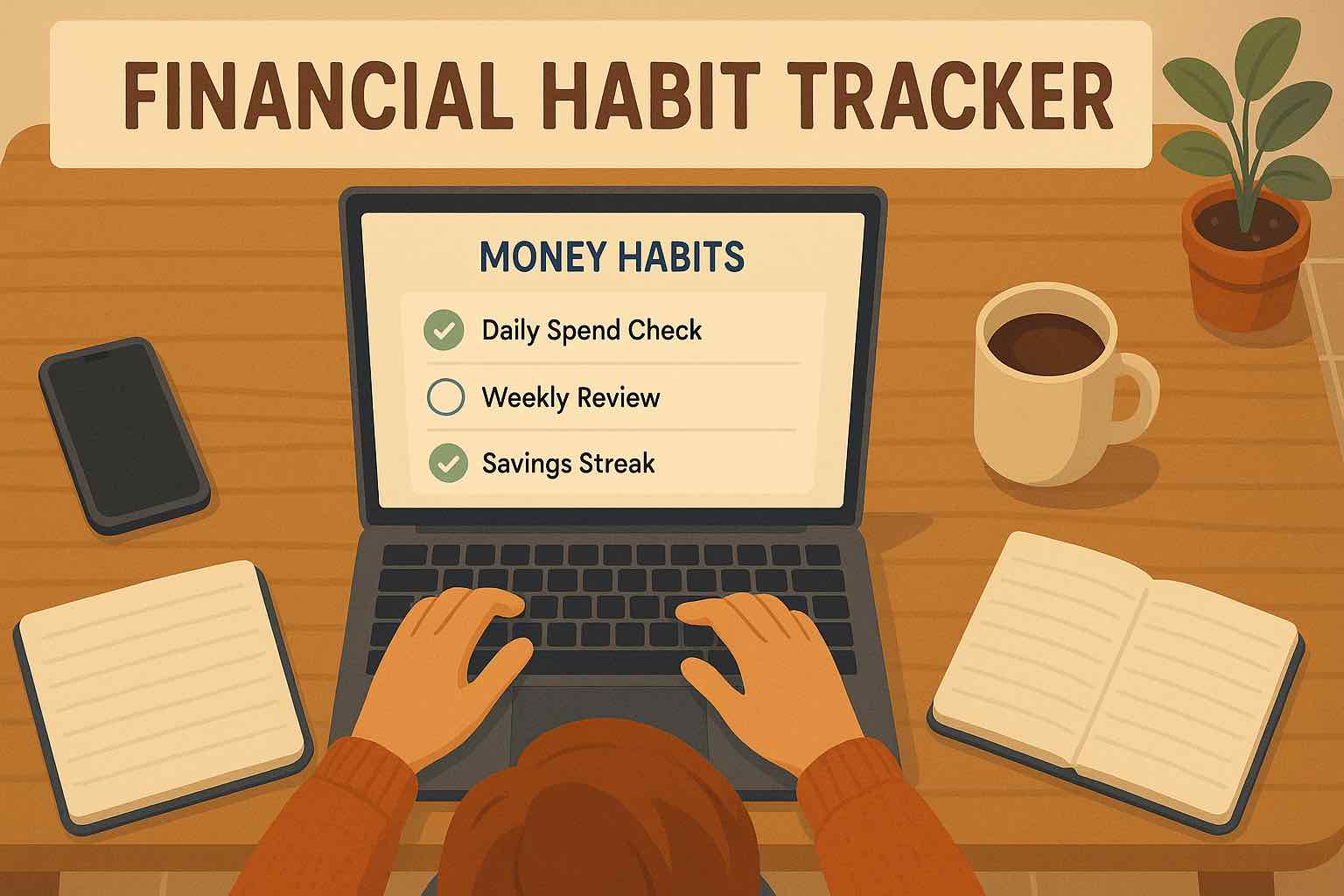
A financial habit tracker changes the game because it trades perfection for repetition. It is built around small actions you can do on ordinary days when motivation is low and distractions are high.
That is why using Koody as a financial habit tracker works so well. It helps you stay connected to your money in a way that feels light enough to repeat. You do not need a huge reset to feel on track. You need a simple routine that keeps you aware.
If you've ever searched for an app that tracks spending habits, wondered which services help build better financial habits, or tried to figure out how to change your spending habits without burning out, this is the shift you're looking for.
The Pattern Behind Most Money Stress
Most money stress follows a predictable pattern. You avoid looking. Then you look all at once. Then you feel behind. Then you try to fix everything at once. Then the plan feels too heavy to maintain.
Habit tracking breaks that loop. It creates smaller moments of awareness so the pressure never has time to build into panic.
The phrase "money habits" sounds abstract until you notice the real triggers behind your spending. Convenience purchases after exhausting days. Small add-ons when you are already out. The quiet creep of subscriptions. Weekend splurges because the week felt hard.
People searching for what spend insight tools help improve purchasing habits are really asking for a way to spot these patterns early and respond without shame.
In Koody, the habit isn't just tracking numbers. It is building a relationship with your own behavior. You start seeing the pattern in time to change it.
Step 1: Set Up A Habit-Friendly Foundation
A habit-friendly foundation is simple enough that you can maintain it on your busiest week.
This is where a lot of people accidentally sabotage themselves. They build a complex setup with too many categories, too many rules, and too much pressure to "do it right."
The better strategy is to set up the minimum version of your real life. Your core accounts. Your recurring bills. Your everyday categories. Your rough limits.
A simple starting path looks like this:
- Add your banks or cash sources manually.
- Add your accounts and accurate balances.
- Create categories you truly use.
- Set reasonable spending limits.
- Add notes if they help you stay clear.
The point is not to build a perfect system. The point is to build a system you will still use on a random Thursday when you are tired.
Step 2: The One Daily Money Habit That Sticks
The best daily money habit is small enough to feel almost too easy.
Your daily check-in should take about a minute. Open Koody. Review recent activity. Add anything you forgot. Glance at your top categories.
This is the habit that turns Koody into a reliable spending habit tracker. It keeps you close enough to your money that you can steer gently instead of course-correcting in panic at the end of the month.
People searching for a daily savings habit app usually want this exact feeling of control. They want a daily ritual that makes saving feel natural. Awareness is where saving starts.
Keep the daily habit simple:
- Review what happened today or yesterday.
- Log missing purchases quickly.
- Notice one category you want to protect this week.
- Move on with your day.
Koody AI fits perfectly into this daily rhythm. You can use it as a quick reflection partner to highlight any category that looks off for the last day or two and suggest one small adjustment for tomorrow.
The quiet power of this habit is that it builds identity. You become someone who checks in. Someone who stays aware. Someone who doesn't let the month disappear.
Step 3: Your Weekly Money Check-In
The weekly review is where you start feeling genuinely confident.
It is the simplest way to cut spending habits that hurt you because you are adjusting early, not reacting late.
In 10 to 15 minutes:
- Review your three biggest categories.
- Identify one surprise or pattern.
- Adjust one limit.
- Set one simple intention for the week.
This is also a great time to scan for recurring costs that quietly grew without permission.
Koody AI can make this weekly check-in smoother by helping you summarize your week, identify your most likely problem categories, and turn those insights into a realistic plan for the next seven days.
The weekly habit turns money management into something closer to maintenance than crisis, like tidying a room instead of moving houses.
Step 4: The Calm Monthly Reset
A monthly reset should feel like a breath, not a judgement.
Many people search for monthly financial habit tracking apps because they want a routine that helps them restart without spiraling into guilt.
Your monthly reset inside Koody:
- Review last month's totals.
- Name one habit that worked.
- Name one habit you want to improve.
- Set fresh limits that match your real life.
Koody AI can help you connect the dots at this level by calling out your biggest month-over-month shifts, spotting the habits that are quietly improving, and suggesting a simple focus for the new month.
Each month is not a test you pass or fail. It is a data point. A lesson. A chance to get the next version slightly better.
Step 5: How Categories Change Spending Habits
Categories are where your habits become visible.
If you have ever wondered how to change spending habits, this is the simplest answer: create a system that shows you the pattern without drama.
When a category looks high, the most useful question isn't "What is wrong with me?" It is "What is this telling me about my week?"
Ask:
- Was this spending predictable?
- Was the category too tight for how I actually live?
- Was this driven by stress, convenience, or poor planning?
- What is the smallest adjustment that would help next week?
These questions are exactly where Koody AI shines. You can paste them into the chat and use the AI as a thinking partner to clarify the real cause, brainstorm realistic alternatives, and choose one change that fits your life.
This is how Koody functions as a money habit tracker rather than just a record of what already happened.
Over time, your categories stop feeling like restrictions and start feeling like self-knowledge.
Step 6: Build A Savings Habit That Lasts
The secret to saving is not intensity. It is consistency.
Many people wait for a big moment to save big money. But the habit that changes your life is usually smaller and quieter. A weekly transfer. A category you protect. A decision you repeat.
Start with a number that feels almost easy. Then repeat it.
A simple savings routine:
- Create a dedicated savings category.
- Set a small weekly or monthly target.
- Record transfers like a bill you pay yourself.
- Increase gradually when the habit feels stable.
This is why Koody can serve as a strong savings habit tracker. You are building momentum through repetition, not pressure.
Small wins count. A calm habit beats an ambitious plan you can't maintain.
FAQs: Financial Habit Tracking In Koody
1. What is a financial habit tracker app?
A financial habit tracker app, like Koody, helps you build repeatable behaviors around spending, saving, and budgeting. The focus is on small routines that create long-term consistency rather than perfect results every month.
2. Can Koody be used as an app that tracks spending habits?
Yes. Koody supports daily awareness, clear categories, and simple reviews that help you track spending patterns and build better money habits over time.
3. What is the best daily money habit to start with?
Start with a quick daily check-in: open Koody, review recent activity, and log anything you missed so your budget stays grounded in reality.
4. How do I cut spending habits without feeling deprived?
Focus on patterns, not punishment. Use weekly reviews to adjust one category at a time and aim for small, realistic changes that fit how you actually live.
5. How does habit tracking help me save more?
Habit tracking makes saving consistent. When you treat savings like a priority category you review regularly, small deposits become a reliable routine instead of an occasional event.
Ready to build a money routine that feels realistic? Create an account and start with a simple daily check-in today.